

Out and About on Bodmin Moor
From story-filled days out to laid-back stargazing, there’s so much here to uncover.
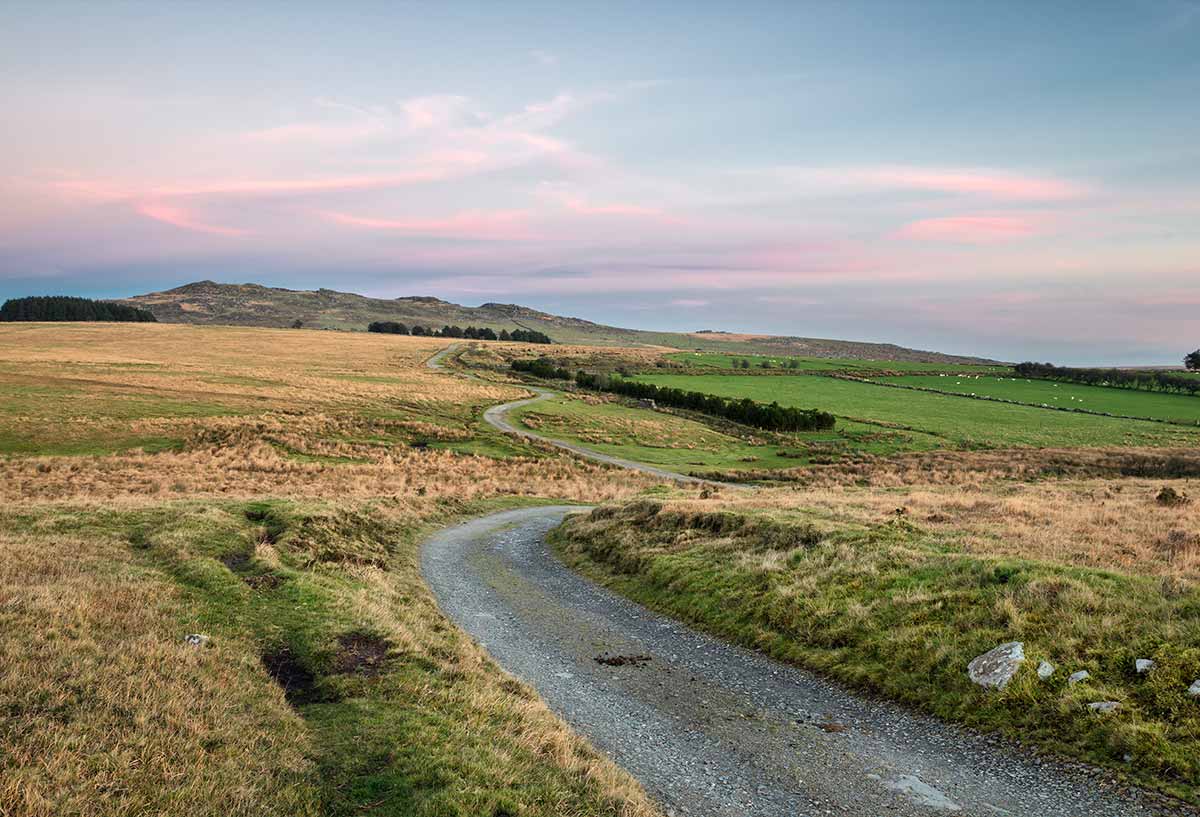
Vast and rugged, Bodmin Moor is one of Cornwall’s greatest natural wonders. This landscape of granite-peaked grass and heather is an endless source of inspiration and activity.
Bodmin Moor claims the largest section of the Cornwall National Landscape, a patchwork of areas known for their outstanding natural beauty. It’s a place of wild variety, with towering granite tors, hidden marshland valleys, and miles of immense moorland.
Here, it’s easy to gain perspective. On Bodmin Moor, you can climb Cornwall’s highest point, Brown Willy, which offers spectacular panoramic views as a reward to those who reach the top. Centuries fold back as you roam among neolithic monuments and medieval settlements. And at night, in this designated you can discover the ideal arena for stargazing.
Top spots to explore
Rough Tor and Brown Willy
Rising from the bedrock of Bodmin Moor, Rough Tor and Brown Willy are its two highest peaks. Set out with sturdy footwear to conquer one or both – they’re nicely close together, making this a good half-day exploration (around five miles) if you build in picnic stops at the summits.
The Hurlers
With a history stretching all the way back to neolithic times, The Hurlers encompass three of the southwest’s most notable stone circles. Their story is curious and legendary: in folklore, the stones are said to be local people punished for playing the game of hurling on a Sunday.
Dozmary Pool
Lying deep in the age of myth and mysticism, Dozmary Pool has long-standing associations with King Arthur, Excalibur and the Lady of the Lake. Other tales describe the punishment of poor Jan Tregeagle, doomed to eternally empty the pool with a limpet shell.
The Cheesewring
The Cheesewring crowns Stowes Hill on the moor’s south side. It was once described by writer Wilkie Collins as “a great pile of stones”, and he was right – but it’s entirely natural in origin. Its stack-like appearance was created by erosion, and named after the process of pressing apples into “cheeses”.
Things to do on Bodmin Moor
For walkers
- Tackle sections of the Copper Trail, a 60-mile circular walk that runs right around the moor, taking in some of its most impressive sights.
- Find the source of the River Fowey by walking from Bowithick to Buttern Hill. On the way, you’ll pass riverbanks, cairns and ancient burial chambers.
- Follow in John Wesley’s footsteps with a ramble around the west moor, heading through Altarnun and Trewint, where Wesley’s Cottage still stands.
For history fans
- Stroll along to Trevethy Quoit to see a rare and carefully preserved burial chamber (known as a portal dolmen).
- Delve into the land of legend at King Arthur’s Hall: a neolithic enclosure containing over 50 standing stones. You’ll also find other ancient monuments and standing stones nearby, making this a great destination for historic outings.
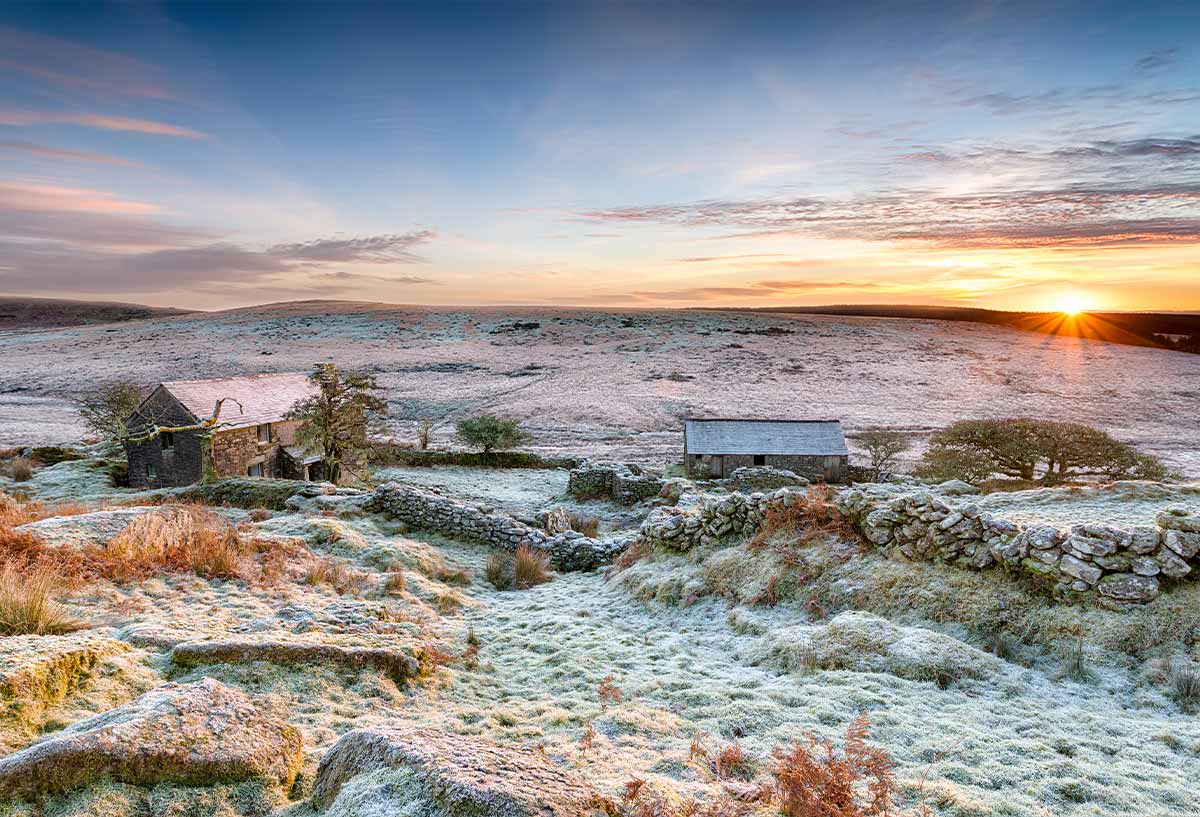
- Hop forward to a more recent chapter of history in the Caradon Mining District, which played a central part in Cornwall’s industrial age. Here, engine houses and chimney stacks look over land now reclaimed by nature.
For families
- Go on a horseback trek across the moor; there are several different companies offering guided hacks.
- Visit Siblyback Lake, where you can set out on a 5km pushchair-friendly route around the water’s edge. You’ll also find woodland, watersports, a children’s play area, and the Olive & Co. café.
- Pack a picnic and head off to explore Golitha Falls (best suited to walking age and upwards). Children will love venturing through ancient woodland to find the dramatic waterfalls. Some shallow sections of the river are paddle-worthy, but do keep little ones close to be safe.
Where to eat and drink
Bodmin Moor enfolds wide areas of land peppered with hamlets, villages and towns – rich in potential for pub lunches and café pit-stops. Historic Jamaica Inn sits high on the moor, making it a natural waypoint for weary wanderers. And, if you’re off in the direction of Cardinham Woods, the Woods Café is a tranquil hidden gem.
Good to know…
Bodmin Moor is a rough, rugged landscape, with areas that are exposed to the elements and wet underfoot. To be ready for anything, we suggest packing sensible footwear, a water bottle, and either waterproof coats or sun cream and hats (depending on the season).
It’s easily reached by car on the A30, which cuts across the moor itself. If you’re travelling by public transport, the nearest train stations are Bodmin Parkway and Liskeard. From there, local bus services run to villages around the moor, though services can be infrequent, so it’s worth checking timetables in advance. If you’re driving, you’ll find several car parks dotted around at popular spots like Jamaica Inn and Minions.